
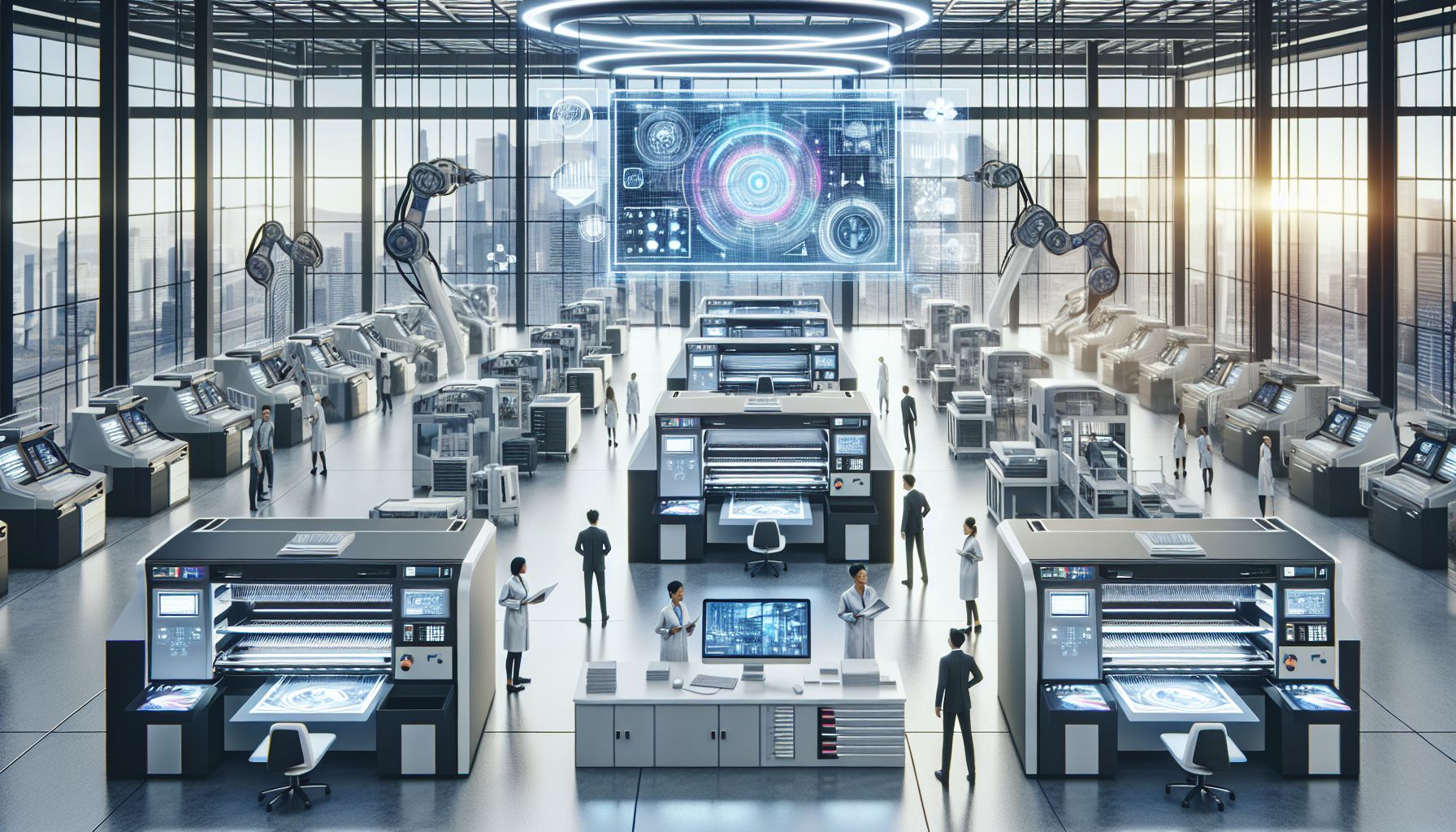
The printing industry has come a long way since the invention of the printing press in the 15th century. From simple text-based prints to high-resolution digital designs, the industry has continuously evolved and adapted to changing technology and consumer demands. In recent years, technological advancements have revolutionized the printing industry, introducing new trends and opportunities. In this blog post, we will explore some of the latest trends in the printing industry and delve into the future of printing.
I. Introduction
Printed materials play a significant role in various sectors, including advertising, publishing, packaging, and education. The printing industry constantly strives to enhance its capabilities, efficiency, and environmental friendliness. Let’s explore the key trends that are shaping the future of printing.
II. Digital Printing
Digital printing has been a game-changer in the printing industry. Unlike traditional printing methods, such as offset printing, which involves creating plates and using ink, digital printing allows for direct printing from digital files. This eliminates the need for expensive setup costs and enables quick turnaround times, making it ideal for small print runs and personalized printing.
With advancements in technology, digital printing has become more cost-effective and capable of producing high-quality prints. Furthermore, variable data printing (VDP) has gained popularity, allowing customization of each print, such as personalized direct mail. This trend caters to the growing demand for targeted and personalized marketing campaigns.
III. 3D Printing
Another major trend in the printing industry is 3D printing, also known as additive manufacturing. Although 3D printing has been around for several decades, recent innovations and falling costs have made it more accessible to a wider range of industries and consumers.
3D printing enables the creation of three-dimensional objects by adding layer upon layer of material. This technology has revolutionized prototyping, allowing businesses to quickly create physical models and test their designs before mass production. In addition, 3D printing has found applications in healthcare, automotive, aerospace, and even fashion, leading to greater customization and possibilities.
IV. Sustainability and Eco-friendly Practices
As environmental concerns continue to grow, the printing industry has embraced sustainability and eco-friendly practices. Printing companies are actively seeking ways to reduce waste, conserve energy, and use environmentally friendly materials.
One of the key sustainability trends in the printing industry is the use of soy and vegetable-based inks instead of petroleum-based inks. These inks are not only more environmentally friendly, but they also offer superior color vibrancy and faster drying times. Additionally, advancements in recycling technology have made it possible to recycle paper waste and reduce the industry’s carbon footprint.
V. Automation and Robotics
Automation and robotics have made significant inroads into the printing industry, streamlining production processes and reducing labor costs. From automated printing presses to robotic systems for packaging and shipping, automation has improved efficiency and productivity.
Robots are now capable of performing tasks such as image recognition, quality control, and even 3D printing. The printing industry has embraced automation to meet the increasing demand for faster turnaround times, reduce errors, and improve overall workflow.
VI. Augmented Reality (AR) in Printing
Augmented reality (AR) is a technology that overlays digital elements, such as images, videos, or animations, onto the real world, enhancing the user’s perception and experience. AR has found its way into the printing industry, adding a new dimension to traditional print materials.
By using AR-enabled devices, such as smartphones or tablets, users can scan printed images or codes to unlock additional interactive content. This trend has great potential for marketing and advertising, as it allows brands to engage their audience with immersive and interactive experiences.
VII. Conclusion
The printing industry has undergone significant transformations in recent years, driven by technological advancements and changing consumer needs. Digital printing, 3D printing, sustainability, automation, and augmented reality are some of the key trends shaping the future of printing.
As technology continues to evolve, we can expect further innovations and developments in the printing industry. From faster and more efficient printers to even more personalized and interactive prints, the possibilities are endless. The future of printing holds immense potential for businesses, consumers, and the environment.
As we move forward, it is crucial for printing companies to stay abreast of the latest trends and embrace new technologies to remain competitive. By embracing these trends and adopting sustainable practices, the printing industry can pave the way for a more efficient, eco-friendly, and exciting future.